Last updated: October 18, 2026
Table of Contents
- The Importance of Names in Tswana Culture
- Popular Tswana Names for Boys
- Popular Tswana Names for Girls
- Gender-Neutral Tswana Names
- Tswana Naming Traditions
- Names from Nature
- Modern Trends
- Understanding Tswana Clan Names (Dikgabo)
- Names Reflecting Family Circumstances
- Famous Batswana and Their Names
- How to Choose the Perfect Tswana Name
- Tswana Names in the Diaspora
- Resources for Tswana Name Research
- Modern Tswana Names and Cultural Revival
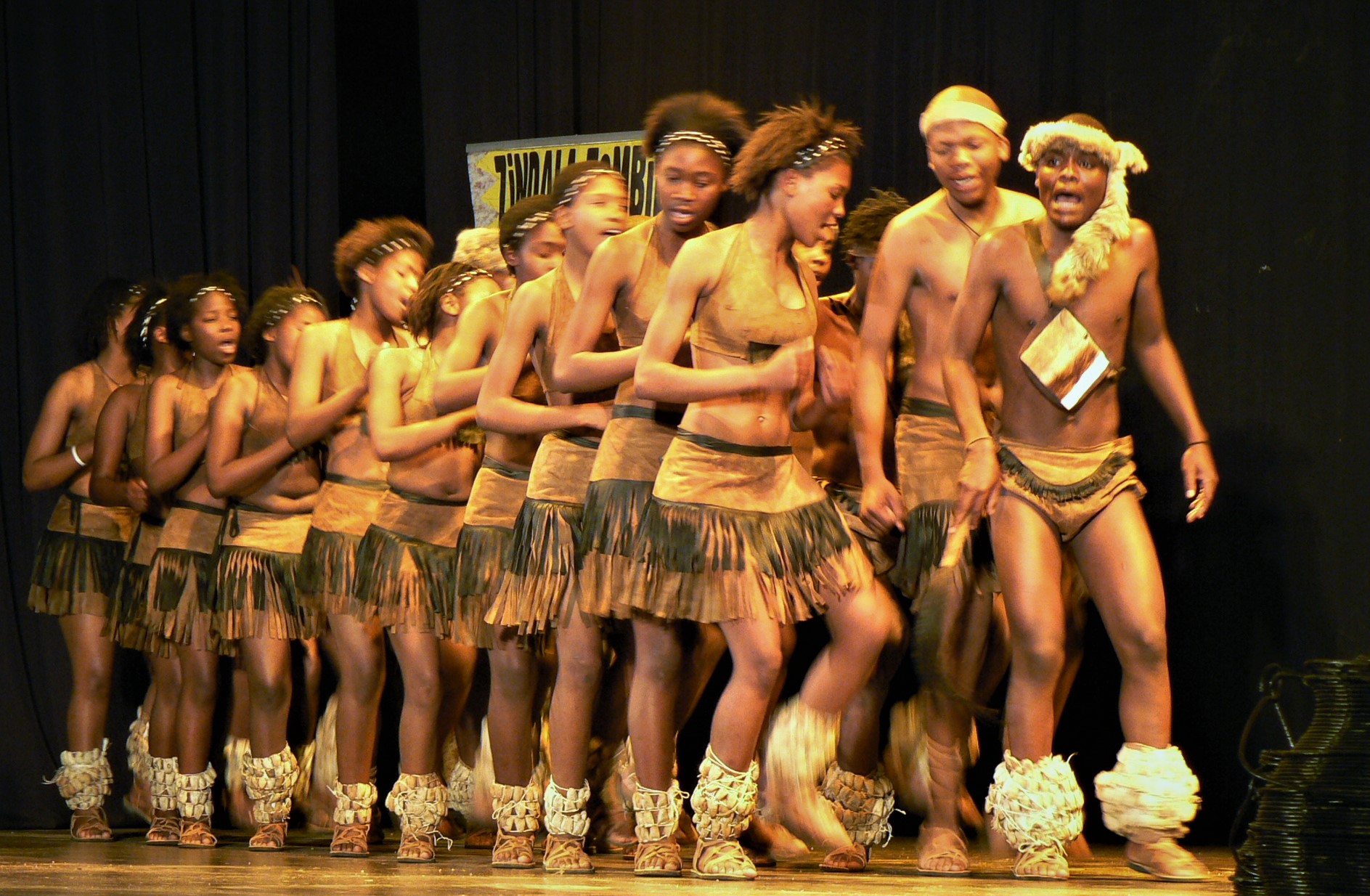
The Tswana people, or Batswana, are one of South Africa’s largest ethnic groups, concentrated in the North West Province, Northern Cape, and Free State. Tswana baby names carry deep cultural meaning, tell family stories, and connect children to their ancestors.
The Importance of Names in Tswana Culture
In Tswana culture, a name is a prayer, a prophecy, and a history rolled into one. Parents choose names reflecting their hopes, circumstances, and gratitude. Names often reflect conditions surrounding the child’s birth — the time of year, family situation, or recent community events. Grandparents play a significant role in naming, reinforcing that a child belongs to the entire extended family.

Popular Tswana Names for Boys
Kagiso — Meaning “peace,” this is one of the most beloved Tswana names, reflecting the desire for harmony in family and community.
Tshepo — Meaning “hope,” this name carries optimism and faith, common in families who have overcome hardship.
Itumeleng — “Be happy” or “rejoice,” often given after a period of difficulty, declaring that the family’s circumstances have improved.
Karabo — “Answer,” given to a child seen as an answer to prayer. Works for both boys and girls.
Bogosi — “Kingship” or “royalty,” honouring leadership and dignity.
Kabelo — “Portion” or “lot,” acknowledging the child as a gift.
Popular Tswana Names for Girls
Boitumelo — “Joy,” one of the most popular Tswana girls’ names, radiating happiness and gratitude.
Mpho — “Gift,” a simple but profound name acknowledging a child as precious.
Kgomotso — “Comfort,” often given after a loss or difficult time.
Onalenna — “God is with us,” expressing deep faith and gratitude.
Keitumetse — “I am happy,” celebrating the child’s arrival.
Refilwe — “We have been given,” emphasising community and belonging.
Gender-Neutral Tswana Names
- Lesego — “Luck” or “blessing”
- Palesa — “Flower”
- Lorato — “Love”
- Tumelo — “Faith”
- Thato — “Will” or “desire”
Tswana Naming Traditions
Naming ceremonies happen within the first weeks after birth, with an elder formally announcing the name and its meaning. Children may receive both Tswana and Western names — though modern parents are increasingly choosing only Tswana names as a point of cultural pride.
Names from Nature
- Pula — “Rain,” one of the most cherished Setswana words, symbolising life and renewal
- Naledi — “Star”
- Lefatshe — “Earth” or “ground”
- Podile — Born during the rainy season
Modern Trends
Tswana naming is alive and evolving. Modern parents create new names combining traditional elements with contemporary values: Kopano (unity), Tokologo (freedom), Thuso (help). There is also a revival of older names as young parents research their heritage. At SayMyName.co.za, we celebrate the rich diversity of South African names and help families discover the perfect name.
Understanding Tswana Clan Names (Dikgabo)
Beyond personal names, Tswana culture has a rich tradition of clan names known as dikgabo (or sometimes direto). These are praise names that connect individuals to their ancestral lineage. Unlike personal names which are chosen by parents, clan names are inherited and shared by everyone who belongs to a particular clan. Common Tswana clans include the Bakwena (those of the crocodile), the Bangwaketse, the Barolong, the Batlhaping, and the Bakgatla.
Clan names are used in formal introductions, at community gatherings, and during important ceremonies. When two Batswana meet for the first time, they may exchange clan names to establish their relationship. If they belong to related clans, they might discover a family connection going back generations. This practice strengthens social bonds and maintains the collective memory of the community.
Clan affiliation also carries certain responsibilities. Members of the same clan are expected to support one another, attend each other’s important ceremonies, and uphold the clan’s reputation. In traditional governance, clan leaders (dikgosi) play an important role in community decision-making, land allocation, and dispute resolution.
Names Reflecting Family Circumstances
Many Tswana names tell the story of the family’s circumstances at the time of the child’s birth. A child born during a period of hardship might be named Malebogo (thanksgiving) or Tsholofelo (hope), expressing the family’s gratitude that they were able to welcome a new life despite difficulties. A child born after several miscarriages or the loss of a previous child might be named Kagiso (peace) or Lorato (love), expressing the healing that the new baby brings.
Names can also reflect the parents’ feelings about each other. A child might be named after a parent’s beloved spouse or partner, or given a name that expresses a wish for reconciliation after a disagreement. In some cases, children are named after important events or visitors — a child born when a respected community leader visited might be named after that leader.
The openness with which Tswana names reflect family circumstances is part of what makes them so beautiful. Unlike Western naming traditions where names often have obscure historical meanings, a Tswana name tells a clear, translatable story that the child will carry throughout their life.
Famous Batswana and Their Names
Several prominent South Africans carry Tswana names that reflect the power and beauty of the tradition. Former President Nelson Mandela’s middle name, Rolihlahla, is Xhosa, but many Batswana have reached prominence under their Tswana birth names. Musicians like Caiphus Semenya, actors like Thembi Mtshali-Jones, and sports stars like Lucas Radebe (whose father was Tswana) all carry names rooted in Tswana naming traditions.
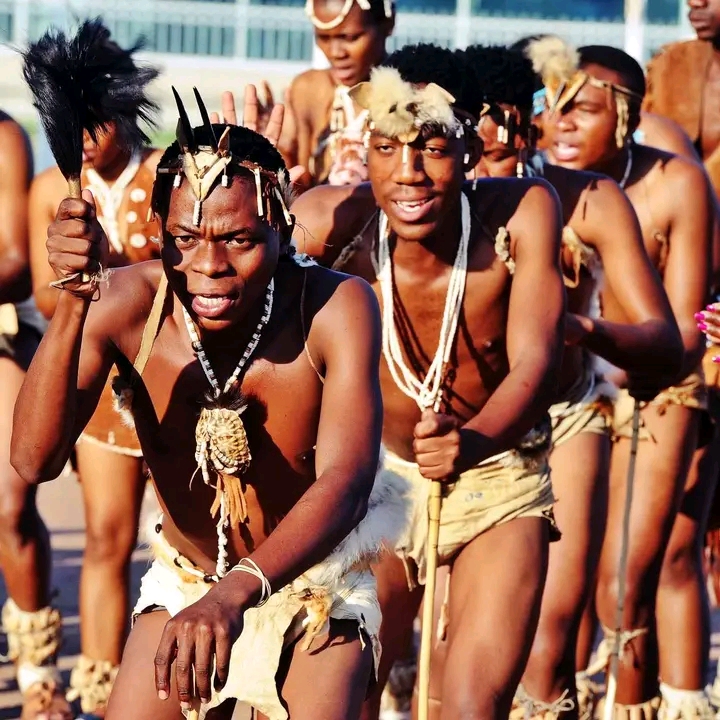
The former president of Botswana, Mokgweetsi Masisi, carries a Tswana name, reflecting the shared linguistic and cultural heritage between South African Batswana and their northern neighbours. Botswana — whose very name comes from the Tswana people — provides a powerful example of a nation where Tswana language and culture are central to national identity.
How to Choose the Perfect Tswana Name
If you are expecting a child and considering a Tswana name, start by talking to your elders. Grandparents, aunts, and uncles may have valuable insights about family naming traditions you were not aware of. They might remember names used by your great-grandparents that carry special meaning. Even if you decide not to use those exact names, the stories behind them can inspire your choice.
Consider the meaning carefully. A name like Boitumelo (joy) or Mpho (gift) has a positive, uplifting message that will shape how others perceive your child and how your child perceives themselves. Names like Kgomotso (comfort) carry a beautiful story of healing. Whatever you choose, write down the meaning and the circumstances of your child’s naming — this becomes a precious piece of family history.
Also consider pronunciation. While many Tswana names are easy for English and Afrikaans speakers to pronounce, some have clicking sounds or tonal qualities that may be challenging outside the language community. This should not deter you — many South Africans proudly carry names that require a brief pronunciation lesson — but it is worth thinking about how your child will navigate school, university, and professional life with their name. At SayMyName.co.za, we celebrate the diversity of South African names and help families find the perfect name that honours heritage, carries meaning, and sounds beautiful.
Tswana Names in the Diaspora
Batswana communities have spread across the world through migration and globalisation. South Africans of Tswana heritage living in the United Kingdom, Australia, Canada, and the United States continue to give their children Tswana names as a way of maintaining cultural connection across borders. For these families, a Tswana name is a link to home — a reminder of their heritage that their children will carry with them even if they never live in South Africa.
In the diaspora, Tswana names often serve as conversation starters. A child named Kagiso or Mpho in a Canadian classroom invites questions about the meaning and origin of the name. This creates opportunities for cultural exchange and helps break down stereotypes. Many Batswana in the diaspora report that their children’s Tswana names are a source of pride and identity, setting them apart in positive ways.
Resources for Tswana Name Research
If you are researching Tswana names for your child, several resources can help you find the perfect name with accurate meaning and cultural context. Online databases like SayMyName.co.za offer searchable collections of Tswana names with meanings, pronunciations, and cultural notes. University libraries in South Africa, particularly the University of the North West and the University of Pretoria, hold extensive archives of Tswana oral history and naming traditions. For deeper research, academic works by scholars like Professor Mmusi and Dr. Kgobe document Tswana naming practices in rich detail. You can also reach out to cultural organisations like the Tswana Heritage Council, which can connect you with elders and community leaders who maintain living knowledge of naming traditions. Whatever resource you use, remember that the most meaningful name is one chosen with intention, understanding, and love — the qualities that Tswana naming has celebrated for generations.
Modern Tswana Names and Cultural Revival
There is a growing movement among young Batswana parents to reclaim and celebrate traditional naming practices. After decades where English and Afrikaans names were often prioritised for perceived social advantage, a new generation is choosing Tswana names with pride and purpose. This cultural revival is visible in social media communities where parents share their children’s names and meanings, in naming ceremonies that are increasingly documented and celebrated online, and in the growing number of Tswana names appearing in schools and workplaces. This revival is not about rejecting the modern world — it is about carrying the wisdom of ancestors into it.